
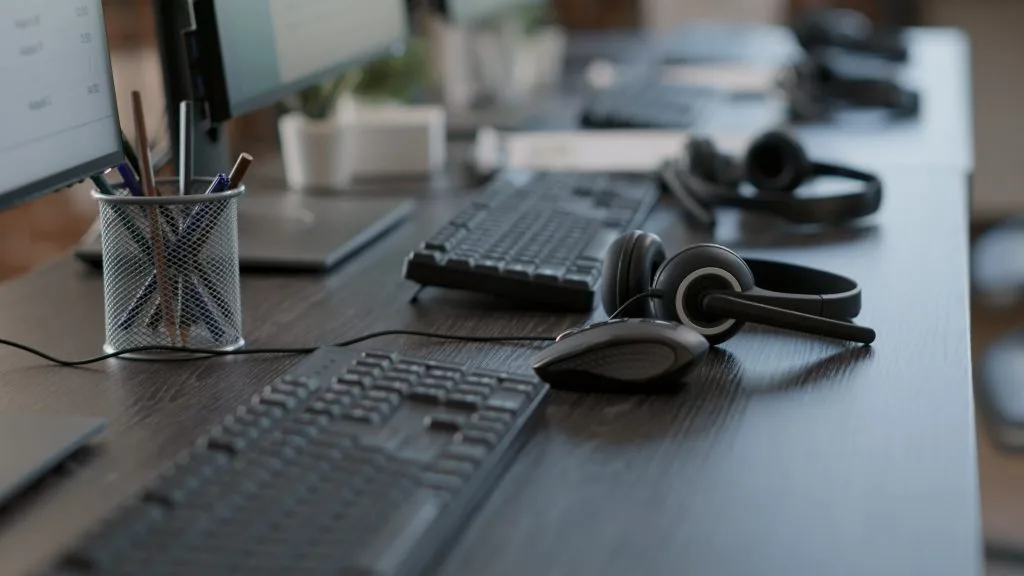
How the Computers of the 2000s Shaped the Digital Generation of Lithuania
A consistent cultural guide — how the computer clubs that thrived in the early 2000s shaped the first digital generation of Lithuania, its jargon, and communication habits.
The Subculture of Lithuanian Computer Clubs and the Context of the Era
It was an era filled with the scent of cheap energy drinks and heated plastic. An era when the term “social network” referred not to an app on a phone, but to a physical place — usually a basement or an abandoned hideout in a residential area. The phenomenon of computer clubs that flourished in Lithuanian cities in the early 2000s was a unique cultural phenomenon that formed the first digital generation of the country, its jargon, and communication habits.
The Paradox of Access:
From Expensive Dial-Up to Cheap LAN Euphoria
To understand the popularity of computer clubs from 1999 to 2005, it is essential to recall the economic context of that time. A personal computer (PC) cost several months’ salary for an average Lithuanian family, and home internet access was often limited to slow and expensive dial-up (modem) connections, blocking the phone line.
Computer clubs filled this gap. The interiors rarely boasted aesthetics: dark rooms, boarded-up windows (to prevent sunlight from shining on the screens), and rows of CRT (cathode ray tube) monitors weighing 20 kilograms each. The most important aspect was the local area network (LAN), allowing for lag-free (*lago*) gaming, and the “Admin” — a mythical figure controlling the time.
The Administrator — Gatekeeper of Technology and Local Judge
Each computer club had its hierarchy, with the administrator at the top. This was a person with “server” rights. They could “start the time”, sell “nighttime” (a cheap time package from 10 PM to morning), or kick someone out of the club for breaking the rules.
Establishing a relationship with the administrator was vital. A good connection could mean an extra 10 minutes for free (the so-called “bonus”) or a better computer (with a newer graphics card). The “Admins” also performed a sort of law enforcement function — resolving conflicts between players, which often arose due to cheating (“cheating”) or too loud shouting after a lost match.
How “Counter-Strike” and “DotA” Created Lithuanian Jargon
While computer clubs offered internet access (often used for “mIRC” chats or “Delfi” news), the main driving force was gaming. Three titles dominated and formed a specific jargon:
- Counter-Strike 1.5 / 1.6: This was the undisputed king. The map “de_dust2” became a second home. Here, terms like “headshot” (shot to the head), “rush” (quick attack), and “camping” (hiding in one spot) were born. Spontaneous tournaments took place in computer clubs, and the best players in the neighborhoods became local celebrities.
- StarCraft and Warcraft III: Strategy games that required not only reaction but also thinking. The “Warcraft III” modification “DotA” later laid the foundation for the modern MOBA genre.
- Lineage II and MU Online: Representatives of the MMORPG genre, engaging players in endless “level grinding”. Virtual items (swords, armor) were often sold for real litas.
Unofficial Youth Centers, English Lessons, and the Risk of “Marozai”
Computer clubs became unofficial youth centers. Here, what sociologists today would call “community building” took place. Students would skip classes (“truant”) to secure spots in the morning when prices were lowest.
However, this culture had a dark side. Parents often searched for their children in basements, and local hooligans (“marozai”) often waited at the entrances, demanding money or simply “passing” for winning a match against an inappropriate person. Despite this, it was here that many Lithuanians first encountered English in practice and learned the basics of computer literacy.
How Fiber Optic Internet and Gaming at Home Closed the Doors of Clubs
The era of computer clubs ended as abruptly as it began. The turning point occurred around 2006–2008. Several factors contributed to this:
- Broadband Internet: “Takas ID” and later fiber optic internet became affordable for most households.
- Decreasing Technology Costs: Laptops became the standard, and desktop PCs became cheaper.
- Shift in Consumption Culture: Gaming moved to homes, and communication shifted to “Skype” and later “Facebook.”
Today, only a few modern “gaming arenas” remain, dedicated to professional e-sports, but they lack the unique, chaotic, and wild spirit that prevailed in the basements of the 2000s. Computer clubs fulfilled their mission — they introduced Lithuania to the digital age through the prism of gaming and community.
Conclusion
Computer clubs created a unique social and technological event in Lithuania, which prepared the millennial generation for a digital future through chaos and gaming. Although the culture itself has faded, its legacy lives on: it is visible in the current popularity of Lithuanian e-sports, technology usage habits, and, undoubtedly, in the specific jargon.
Read also: End of Windows 10 Support (October 2025): What to Do with an Old Computer?
Read also: How to Speed Up a Slow Computer
Need help with your device?
If your phone, computer, or tablet is not working properly, bring it to Fixas. We perform quick diagnostics and usually complete repairs within 1–3 hours.